‘Being self-taught gave me the freedom to walk my own path while still honouring the tradition of the music’
Interview with Peter Somuah
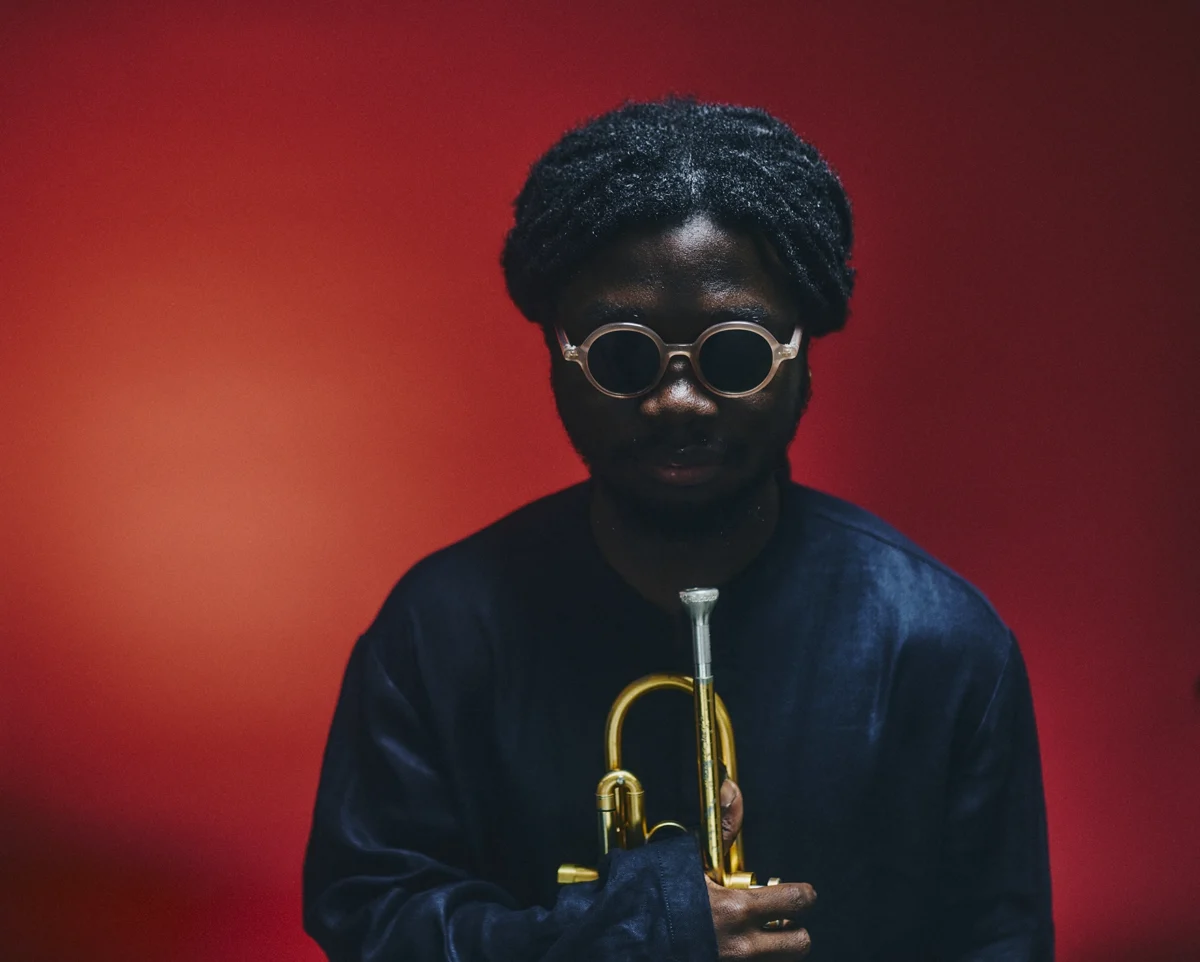
From his home base in Rotterdam, Accra-born award-winning trumpeter and composer Peter Somuah brings his colourful music to the world. A fourth album recorded with his group is released in March, and after playing festivals big and small from the Netherlands to China, a late-night showcase gig is scheduled during jazzahead! 2026 in Bremen.
Peter Somuah Group
Peter Somuah – trumpet
Anton de Bruin – keys
Marijn van de Ven – double bass
Danny Rombout – percussion
Jens Meijer – drums
Website: petersomuah.com
New album Walking Distance on Spotify
About composing
After releasing a few singles, you will present a new album on the German label ACT Music+Vision in March. How do you start composing a new piece? Do you start with a melody, rhythm, or a specific concept?
‘Composing a new piece for me takes many different forms. Sometimes a melody comes to me as I wake from a dream. Other times, a rhythm appears while I’m in the kitchen, boarding a flight, or even in the middle of the night. Once I find the foundation, the rest of the elements come together beautifully.’
‘For me, the foundation is always the bass, drums, percussion, and keys. The melody flows naturally on top of that. I’m especially drawn to the sound of the bass, so in most of my compositions, the bass line comes first. I rarely compose on the trumpet. Instead, I write mainly on the piano and later adjust the range so it sits comfortably on the trumpet.’
‘When I bring these ideas to rehearsal, I present them to the band and give everyone space to express themselves before offering my direction. I don’t impose strict measures on my compositions. When I don’t have anything else to add to a piece, I let it sit for days or even weeks. I create when I feel inspired, not because I have to.’
‘I collect small ideas and allow them to grow naturally. My approach to composition is intuitive. I create with my heart, soul, and body.’
Accra
You grew up in Accra in a musical context centered around highlife and Afrobeat. Your music is now described as a bridge between your Ghanaian roots and jazz traditions, both danceable and expressive. Can you explain where your love for traditional Ghanaian music and jazz began?
‘I was born into highlife, gospel, and Afrobeat music. Every morning, my parents had the radio playing, so by the age of 5, I was waking up to the sounds of highlife, gospel, and Afrobeat. I began learning the lyrics of the songs I heard on the radio and would sing them from beginning to end. I also started dancing to the music and even joined a dance competition with a group of kids in my community.’
‘During kindergarten, I received traditional Ghanaian drumming and dancing lessons at school. I sometimes played the Kpanlogo drum, the bell, or joined in the dancing. There were always traditional drummers and dancers in my community, performing in the streets. Brass band music was also a strong presence. I encountered some of these bands and immediately fell in love with the sound of the trumpet, playing the lead melody of the highlife songs I had grown up hearing on the radio.’
‘At age 14, my junior high school received a donation of musical instruments. Without hesitation, I chose the trumpet. We had group lessons and soon began performing around the community. We played brass band music in the streets, at parties, funerals, and churches.’
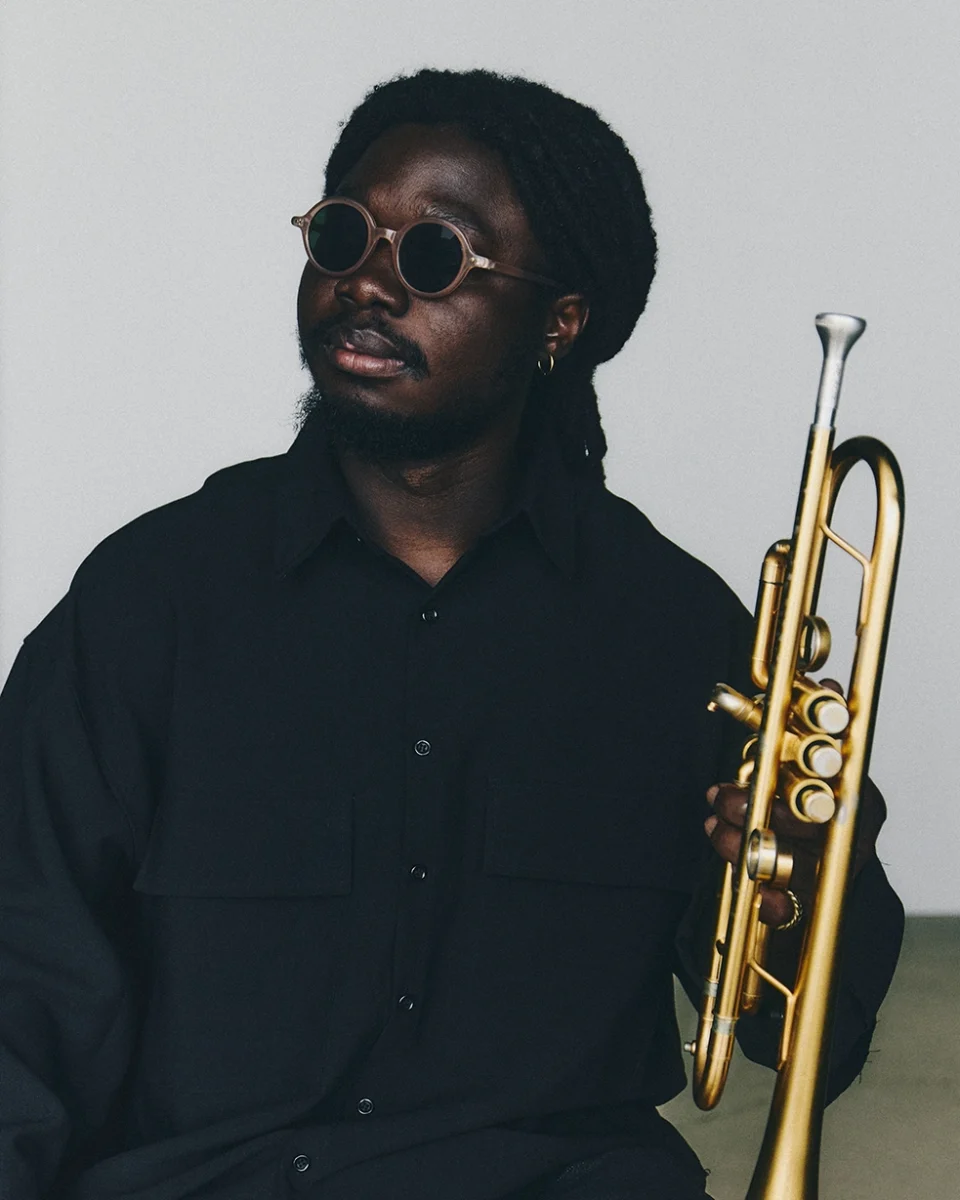
‘A friend who played guitar introduced me to recordings and videos of Miles Davis, Charlie Parker, and Dizzy Gillespie. I was fascinated and immediately felt a deep connection to what I was hearing. I decided to dive deeply into that sound and try to produce the same feeling on my trumpet. Every day, I would sit and play along with those recordings, not fully knowing what I was doing, but trusting my ears and instincts.’
‘Later, I joined live bands playing highlife music at bars and restaurants during the week, and on weekends performing at weddings and funerals. Through a friend, I discovered a jazz club in Accra that hosted jam sessions every Tuesday night and jazz concerts on Saturdays. I made sure to be there every Tuesday, jamming with the musicians and playing jazz standards.’
Which artists from Ghana do you think everyone should listen to?
‘Ebo Taylor, Akosua Agyapong, Pat Thomas, Awura Ama Badu, Gyedu-Blay Ambolley, K. Frimpong, Nana Ampadu, and Lamisi Akuka have helped shape and sustain the Ghanaian music scene. Through their diverse influences and distinctive styles, each of them has made a powerful contribution to Ghana’s cultural heritage.’
‘Their music speaks about real-life experiences—love, struggle, celebration, community, and social issues—in ways that listeners can deeply relate to. At the same time, their grooving rhythms and rich melodies carry the spirit of Ghana.’
Rotterdam
How does Rotterdam come back in your music? Is it purely the feeling of your group or is there more that influences you?
‘Rotterdam has a strong multicultural energy, a place where people from all over the world can easily find their space. After settling in Rotterdam, I experienced a lot of different cultures. That influenced and encouraged me to mix different musical genres in my compositions.’
‘The contrast between the bustling streets of Accra and the calm, spacious atmosphere of Rotterdam is something that lives inside my music.’
‘The contrast between the bustling streets of Accra and the calm, spacious atmosphere of Rotterdam is something that lives inside my music. Accra brings rhythm, movement, and intensity, while Rotterdam offers space, reflection, and structure. The combination of these two environments shapes how I approach sound and composition.’
‘Finding a group of Rotterdam-based musicians who were committed to taking this journey with me made a big difference. Together, we dove deep into highlife, Afrobeat, and traditional Ghanaian drumming and dance rhythms.’
‘After rehearsals, we would often walk down the street to grab Surinamese or Chinese food and simply enjoy the atmosphere of the city. Those small moments, sharing food, conversations, and culture also became part of the music. It wasn’t just about rehearsing; it was about living the experience together.’
Being self-taught
You are self-taught and learned to play the trumpet by writing out solos and playing them back, rather than through formal training. How has this self-chosen way of learning influenced your perspective on music and technique?
‘Everyone has an idea of how they want to sound and sometimes they are still searching for it. Many musicians spend years trying to discover their unique voice and approach to the music. For me, learning the music in a self-taught way allowed that search to be very personal and intentional.’
‘I would listen to recordings, write out solos, and play them back, training my ears and hands at the same time. I had a clear image in my mind of how I wanted to sound, and this method gave me the space to reflect on that vision. Instead of following a structured curriculum, I followed curiosity and instinct.’
‘Formal education can be inspiring, but it can also be overwhelming with assignments and deadlines. My path allowed me to zoom out whenever I needed, reflect on what I truly wanted to improve, and focus on specific areas with patience and discipline.’
‘Being self-taught gave me the freedom to walk my own path while still honouring the tradition of the music. It required strong self-discipline and responsibility, but it also helped me develop a sound that feels honest and connected to who I am. It shaped not only my technique, but my mindset to trust my ears and to trust the process.’
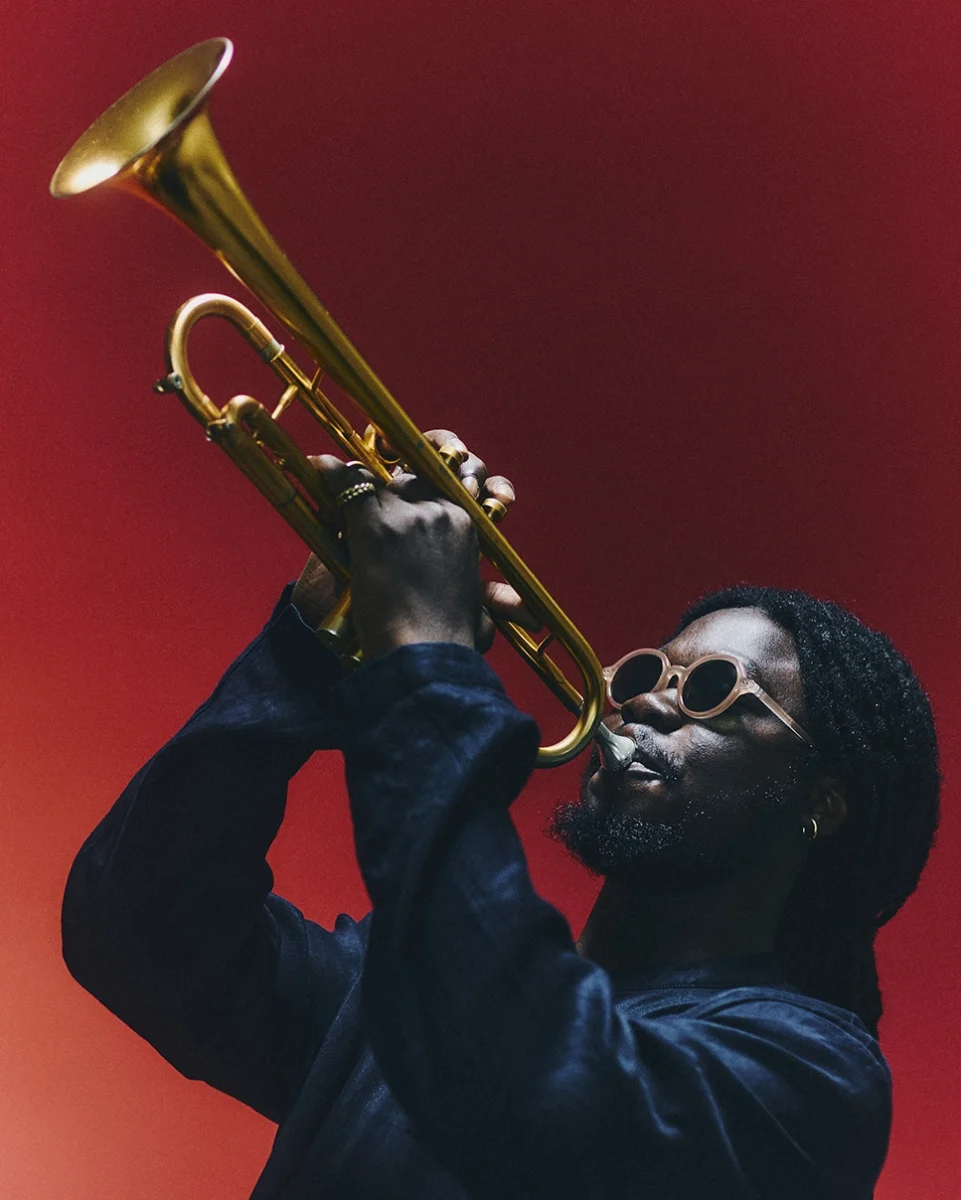
How important is the electronic side of music to you? Are you into EDM and remixes at all?
‘I’m very open to different genres of music. I appreciate both acoustic and electronic sounds, and I enjoy blending some of those electronic elements into my own music. Over the years, I’ve also collaborated with producers and DJs, performing and recording remixes of artists they work with.’
‘When I listen to EDM and remixes, it feels like being in a trance. I’m simply enjoying the journey of the sound, letting the rhythm and energy carry me along.’
Back to Ghana
Besides the showcase at jazzahead! you already have other concerts in Germany and the Netherlands planned, as well as Spain, the UK, and a second visit to China. How important is the link with Ghana for you as a performing musician? Is there a future for you and your music too?
‘It’s a blessing for me to be able to tour around the world with my band and share the music I make with people everywhere. Ghana is where I was born, so returning to my roots has always been a way for me to recharge. The Ghanaian culture, the atmosphere, the sun, the music and the rhythm all carry me forward.’
‘I travel back to Ghana once every year to reconnect with those roots and also to give something back. For instance, I organize music workshops for schoolchildren, play my own concerts in Ghana, record in studios there, and jam with local musicians.’
‘I see every day as an opportunity
to be grateful that I’m able to make music.’
‘I keep making music; we don’t stop, so the future will unfold naturally. I see every day as an opportunity to be grateful that I’m able to make music. Being on stage and in the studio is my happy place. I believe that when you keep making music, you’re already living the dream, and that’s the future you’re creating.’
Text by Mark van Schaick, with thanks to Hannah Holterman
Photos by Fredrik Bengtsson