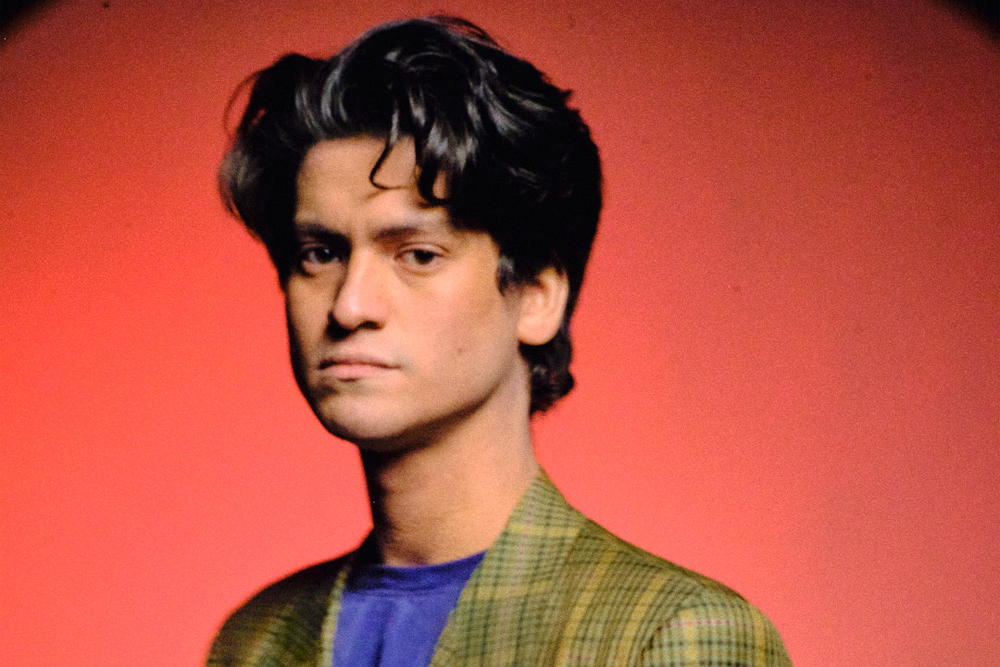
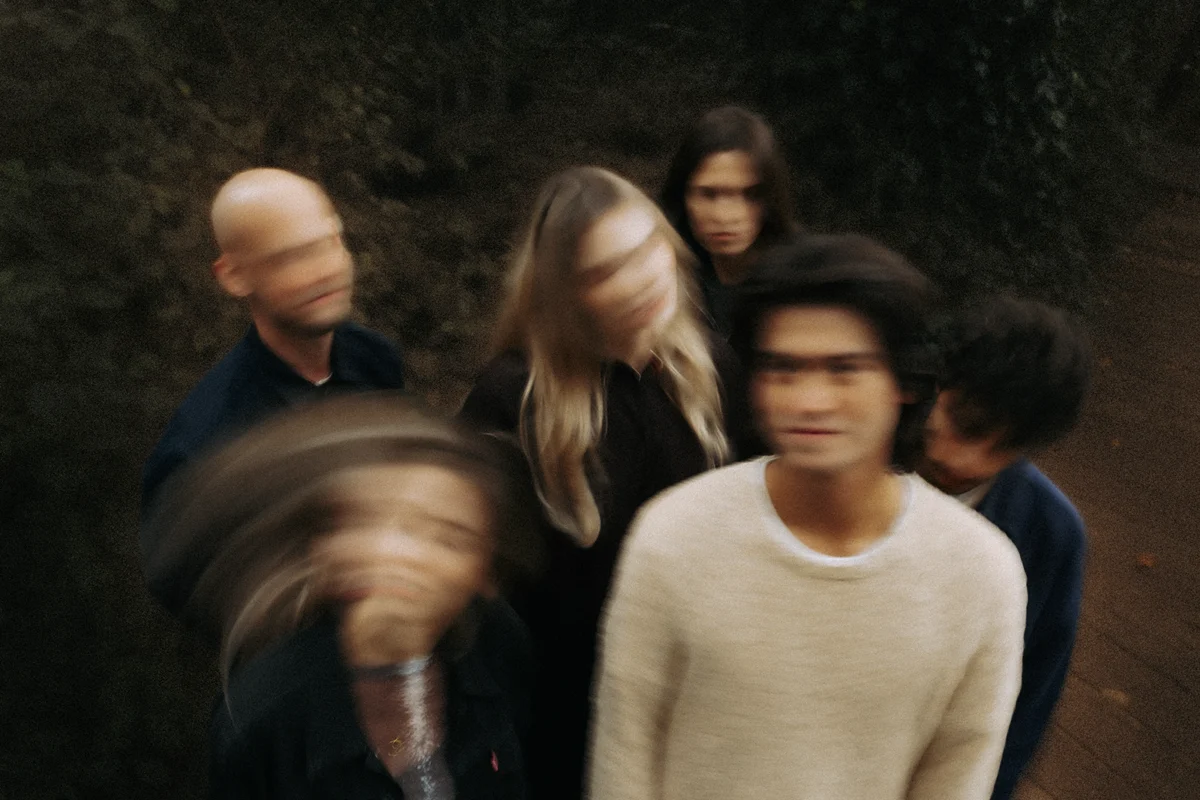
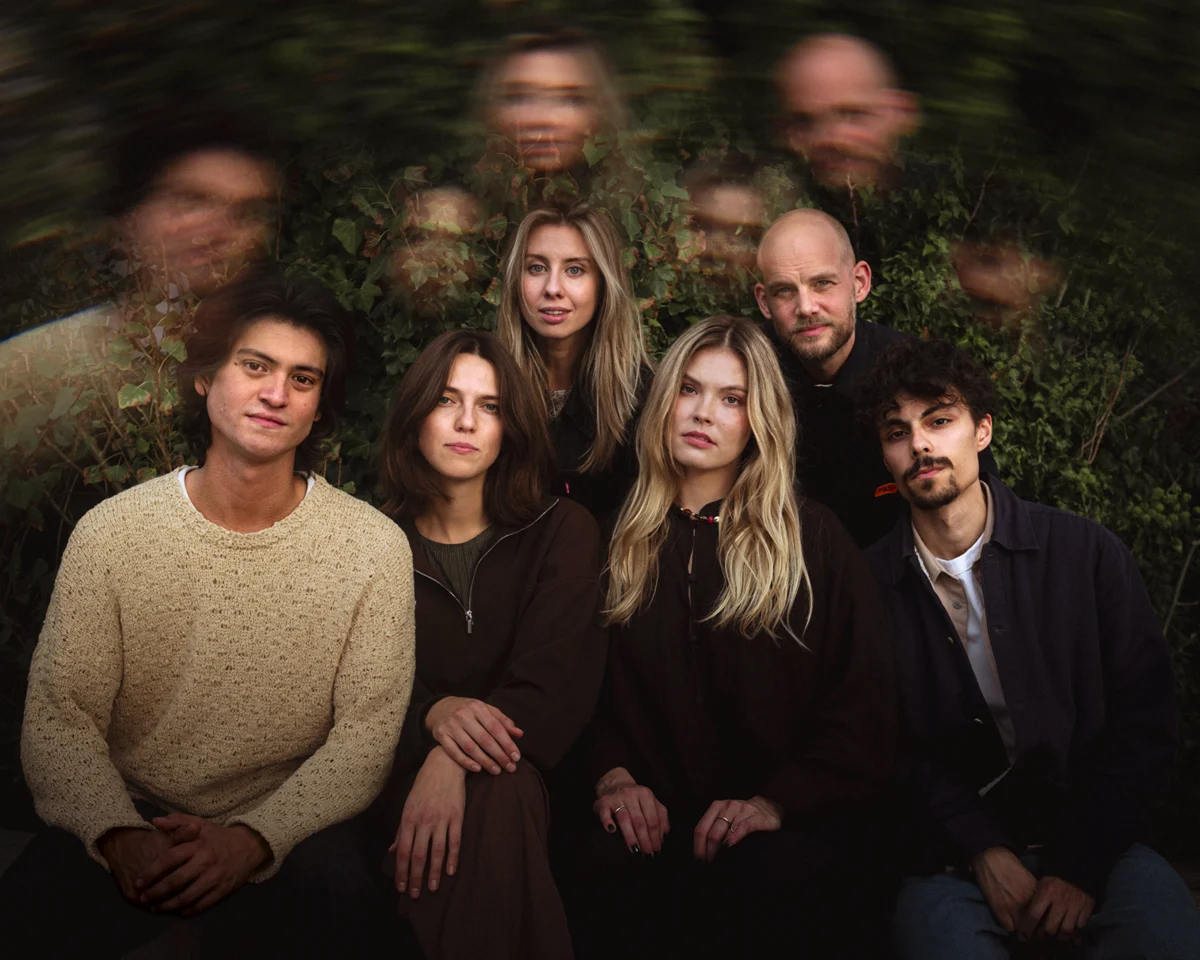
Jelle Willems (1999) took his first steps in music as a choir singer. He graduated as a jazz pianist from the Conservatory of Amsterdam, was part of the National Youth Jazz Orchestra, won the Princess Christina Jazz Competition with his piano trio, and is one of the driving forces behind NAUSYQA. Thanks to his versatile piano and synthesizer playing in that band and in numerous other groups and projects, Jelle can certainly be considered one of the cornerstones of the current Dutch jazz scene. Thanks to a residency at the Tilburg jazz club PaRaDoX, Jelle was able to compose the music for his six-member project Tiny Choir, which has been performed several times this year, including at the Sound of Europe festival in Breda.
Brabant
“I come from Den Bosch and have always felt a strong connection to the Brabant scene.” Because I moved to Amsterdam to study, I returned to Brabant less often. That bothered me after a while. Because unfortunately, more and more people seem to be ‘leaving’ for the Randstad, a kind of vicious circle is created, making it less attractive to stick around in more local scenes.”
NAUSYQA Antonio Moreno – trumpet Jelle Willems – piano Miguel Valente – alto sax Pedro Nobre – drums Richard Nacinelli – electric bass
Music for Restless Adults Jelle Willems, Antonio Moreno – all instruments
Daan Kluwer Quintet Daan Kluwer – saxophone Ella Zirina – guitar Jelle Willems – keyboards William Barrett – double bass Tim Hennekes – drums
“I then started organizing a monthly session in Den Bosch. We invited musicians from the world music and improv scene in Den Bosch, with the idea of connecting them with young, talented jazz musicians who had moved to the Randstad. And to provide a platform for young people who want to take the step to a conservatory but who have few opportunities locally to gain experience with advanced musicians. That session stopped after a few years, after which I started collaborating more with musicians in Tilburg. The conservatory there has been doing really cool things in recent years and is creating a very vibrant Brabant scene.”
What was the impetus for Tiny Choir? And how did it come about that you were invited by Sound of Europe?
“After a number of performances in and visits to PaRaDoX Tilburg, in my opinion one of the coolest stages in the Netherlands, I had a conversation with programr Koen Graat, among other things about my wishes and my impression of the Brabant scene.” He then granted me the great privilege of doing a residency at PaRaDox: twice a year, an artist is allowed to prepare a carte blanche at PaRaDox, where a completely new program is presented for a new lineup. I then wrote the music for the Tiny Choir over the course of six months. Frank van der Kooij, programmer and director of Sound of Europe, came to watch the premiere and was very enthusiastic, after which he invited me to present it again at his festival in October.”
A fulfilled boyhood dream
Why these musicians? You have quite a network to choose from.
“I see a lot of exchange in the jazz scene, which is of course absolutely fantastic.” There are so many incredibly inspiring musicians in the Netherlands, and the level is exceptionally high. You can watch a casual band; it’s almost unbelievable they don’t have a permanent lineup. Yet there is also immense value in playing with the same people. When I received the invitation from PaRaDoX, it also occurred to me to assemble a small ensemble with a few ‘bucket list’ musicians I would love to play with—musicians I have looked up to for years or who I have seen as great examples during my time at the conservatory. Although this was, of course, a kind of fulfilled boyhood dream, I now also find it very important to nurture long-term collaborations.”
“While I had the dream of revisiting the through-composed choral music from my past, I also wanted to maintain the freedom that makes jazz music so interesting.”
“Ultimately, I draw most of my inspiration and energy from projects where the focus is truly on developing things together and creating something new. That’s why I have mainly sought out musicians who inspire me with their skill, who are good to work with, and who, ultimately, are just inspiring to spend time with. Maarten Hogenhuis was the leader of the National Youth Jazz Orchestra when I played in it and was searching for a place for myself in Dutch music. He inspired me a lot at that time. That’s why I naturally find it incredibly cool that he is now participating in my project.”
And did you compose with exactly these musicians in mind?
“While writing the music, I really doubted whether I had made a foolish choice!” It’s a unique lineup, without a bassist, and I had never written music to lyrics before. Still, I made the decision to write a one-hour suite based on a long text by Ines Pereira. While I had the dream of revisiting the through-composed choral music from my past, I also wanted to retain the freedom that makes jazz music so interesting. Kristina, Liva, and Katrina are precisely what is so incredibly inspiring: vocalists who understand very well what I am trying to achieve stylistically. I can give them a few bars of notated music, from which they can then build a complete piece.”
“Maarten is of course superb as a soloist, but he also knows how to serve the music where needed, which I also see when he plays with someone like Thomas Azier, for example.” It seems difficult for a brass player to fill the music in that way, but the way he works with his effects also ensures that he can play well in an accompanying role. That made him a very clear choice for me.”
“The lineup is new to me, and there is still much more to be drawn out compositionally. But because they are all inspiring and very skilled musicians, I have confidence that a large part of the beauty comes from how they interpret the music. Pedro is one of the best drummers I know, with a very unique voice. And a very good friend as well, with whom I have been working within NAUSYQA for so long and with such pleasure. It is important to me that the musicians, outside of playing, are people for whom I gladly get out of bed.”
NAUSYQA and Music for Restless Adults
I see NAUSYQA as the most prominent band you play in. How do you see that?
“I definitely see NAUSYQA as my ‘main project’. It is rare to play in a band, especially within jazz, where it feels like you are truly a band together and all willing to fight for it. I still see many people who lead their own band and are often sidemen or women outside of that. That exchange between musicians is amazing, but when I look at how much we have developed as NAUSYQA and even as individual musicians by working so intensively together for so long, I absolutely wouldn’t want it any other way. I have even become spoiled by how easy it is to write music together and understand each other musically—it’s really different in other projects. Such a rare collaboration is something I cherish.”
You are announcing the duo project Music for Restless Adults: how do you work with Antonio Moreno in this? Is it a kind of NAUSYQA minus three members?
“Music for Restless Adults is truly a duo. Antonio and I were already a duo before NAUSYQA, so we go way back! I mix and produce for NAUSYQA and have, in the meantime, gathered so much equipment that I occasionally record bands, so in 2025 we came up with a wild plan: let’s go on vacation together, find a cheap place to stay, and build our own studio there. In pop music, this happens much more often, writing camps, but jazz musicians sometimes have a slightly less DIY attitude. So we went to Perron d’Ardennes for seven days, a stay in an old French grain barn with artist Stance Oonk (who happens to be from ‘s-Hertogenbosch too!). There, we laid out all our instruments, synthesizers, microphones, and guitars—neither of us can really play the guitar well—built a little outdoor studio under the gigantic roof, and recorded music for a week. Antonio is one of the best composers I know, so he had already brought along a few cool ideas. I can then handle the technical aspects a bit better, so we complement each other very well. In principle, we have had an album ready for a year now, but we want to release it at the right moment and truly step into the world with it as something we are incredibly proud of.”
And is the restlessness of today something you personally struggle with, and that’s why you started this duo?
“Antonio and I talk about this very often.” As a musician, it’s just in the nature of the beast to be restless. We live in a world that makes it incredibly difficult to create art. I think that like many others, I also struggle to build a stable, sustainable life as an artist, while feeling that others might be doing it better than I am. This is where social media comes into play: we constantly compare ourselves, not just as musicians, with others around us, which gives us a sense that we need to be and do certain things. Within music, I feel this very strongly as well. Seeing all those incredibly successful or just really good musicians can sometimes be paralyzing. Haven’t all the beautiful notes already been written by now? Who am I to add anything to this? Sometimes it feels like creating something new automatically means it has to measure up to all the big names you compare yourself to. With Antonio, we actually wanted to go back to making music in a naive way, spending a week together as best friends doing exactly what we wanted, without immediately passing judgment or thinking about how it fits into the Dutch music scene. After we returned, I heard from so many established musicians that they miss this too: making music like you did as a teenager, with your best friends somewhere in a barn.”
Musical playing and activism
NAUSYQA, Daan Kluwer, Klankpoeder, Tiny Choir, Music for Restless Adults, sideman with Ronny deCarlo and others: they all seem to be asking for a different version of you. Is that the case?
“I think that an overarching theme is electronics.” I always saw myself as a pianist, but at a certain point, I was only asked for projects where I played synthesizers. I had a kind of crisis around my graduation: why wasn’t I ever called to just play some standards at Cafe Alto? I am super happy that I get to do what I really enjoy, but it was a bit painful for my pride as a ‘graduated pianist’ for a while. In the meantime, I’ve made more peace with it. Because of what I do now, I find myself in situations where we can work long-term on, for example, a new band sound. I’m just not the best pianist in the Netherlands – the bar is set astronomically high – but I’ve learned that this doesn’t mean I have nothing to say musically. When I collaborate with pop musicians, I am sometimes amazed at how musical they can be, even though they don’t know all the church modes or bebop licks. I try to serve the music as best as I can in all contexts right now.”
And then there’s also theater, with Dr. Jazz. What can you say about that?
“I had a lot of fun with Daniël van Duijvenbooden from Club Duif with Dr. Jazz, but I wouldn’t see myself in the orchestra pit of a musical for a year.” What attracts me to theater is the creative process; developing something completely from scratch together is incredibly exciting. Last year, we also created a performance with NAUSYQA and Daniel, called ZAZOU. A performance about the first punks: jazz enthusiasts who resisted the rising fascism around World War II. Within instrumental jazz music, it is difficult to convey a very concrete message, but in such a performance, this is precisely the strength. The music is truly a part of the overarching story there and a way to also offer social resistance. I think that being a jazz musician in general is a form of resistance in contemporary society, but I find it difficult to find ways within the music to convey this message. Sometimes I wish I were a bit more activist. Theater gives me a certain outlet for that.”
“I think that being a jazz musician in general is a form of resistance in contemporary society.”
Friendships and amazement
You taught yourself to play the piano before you went to the conservatory.
“I have learned to make music from home.” My parents wanted to expose me and my siblings to music as much as possible, and we all took music lessons. When I first auditioned for the Conservatory of Amsterdam, I had a good ear, my theory was also good, but my piano playing was not good enough yet. I was allowed to do a preparatory year, with some first-year theory courses included. During that preparatory year, I had lessons with Hans Vroomans, who gave me a sort of crash course in jazz piano so I could keep up with the first-year pianists. I felt like I was technically lagging far behind the other pianists, and I only started seriously studying classical music during my conservatory years. I mainly played a lot with people, trying to rack up as many flight hours as possible. That has ultimately led to a lot of friendships and collaborations with musicians to this day.”
Harmen Fraanje and Rob van Bavel both have their own perspective on music. Have they changed your view on jazz?
“Ultimately, I owe a large part of my skill to all the good teachers who have taught me.” Rob gave me a very solid foundation and he knows better than anyone how to teach the essentials of jazz piano. When I took lessons with Harmen, I started composing more and more. When I brought things up in a sort of early phase of the composition process, Harmen understood very well where I wanted to go; he really understood the language I was trying to find. That enthusiasm was a huge motivator for me to invest more time and energy into writing my own work and starting my own bands.”
Can you still see the roles of composer, producer, and performer as separate?
“In the case of my own project, everything is intertwined, I think; things you encounter during a performance influence the composition, the composition looks ahead to production, and then I try to achieve the production live on stage through Ableton scenes that trigger electronics and effects.”
Do you feel like you’ve found your footing now?
“I am incredibly grateful for the musicians I work with.” It feels like I’m at the beginning of something I have no idea what it will be. Every year, I look back in amazement at the previous year and everything that has come my way. Hopefully, even more fun things will happen in the near future!”
Text by Mark van Schaick Photos credits: Lianne de Jeu
Interview in Dutch | Interview in het Nederlands
Jelle Willems (1999) zette zijn eerste stappen in de muziek als koorzanger. Hij studeerde af als jazzpianist aan het Conservatorium van Amsterdam, maakte deel uit van het Nationaal Jeugd Jazz Orkest, won met zijn pianotrio het Prinses Christina Jazz Concours en is een van de stuwende krachten achter NAUSYQA. Dankzij zijn veelzijdige piano- en synthesizerspel bij die band en bij tal van andere groepen en projecten kan Jelle gerust een van de steunpilaren van de huidige Nederlandse jazzscene genoemd worden. Dankzij een residency bij de Tilburgse jazzclub PaRaDoX kon Jelle de muziek componeren voor zijn zeskoppige project Tiny Choir, dat dit jaar diverse keren is uitgevoerd, waaronder tijdens festival Sound of Europe in Breda.
Brabant
“Ik kom uit Den Bosch en heb altijd veel binding gevoeld met de Brabantse scene. Omdat ik naar Amsterdam ben vertrokken om te gaan studeren, kwam ik minder in Brabant terug. Dat stoorde me na verloop van tijd. Omdat er helaas steeds meer mensen naar de Randstad lijken te ‘vertrekken’, ontstaat er een soort vicieuze cirkel, want het wordt daarom minder aantrekkelijk om juist in lokalere scènes te blijven hangen.”
NAUSYQA Antonio Moreno – trumpet Jelle Willems – piano Miguel Valente – alto sax Pedro Nobre – drums Richard Nacinelli – electric bass
Music for Restless Adults Jelle Willems, Antonio Moreno – all instruments
Daan Kluwer Quintet Daan Kluwer – saxophone Ella Zirina – guitar Jelle Willems – keyboards William Barrett – double bass Tim Hennekes – drums
“Ik ben toen in Den Bosch een maandelijkse sessie gaan organiseren. We nodigden Bossche musici uit de wereldmuziek- en impro-scene uit, met het idee ze met jonge, talentvolle jazzmusici die naar de Randstad zijn vertrokken te verbinden. En om speelruimte te bieden aan jongeren die de stap willen maken naar een conservatorium, maar die lokaal weinig vlieguren kunnen maken met gevorderde musici. Die sessie is na een aantal jaren gestopt, waarna ik meer ben gaan samenwerken met musici in Tilburg. Het conservatorium daar doet de laatste jaren enorm toffe dingen en zorgt voor een hele bruisende Brabantse scène.”
Wat was de aanzet tot Tiny Choir? En hoe kwam het dat je door Sound of Europe bent gevraagd?
“Na een aantal optredens in en bezoeken aan PaRaDoX Tilburg, naar mijn mening een van de tofste podia in Nederland, was ik met programmeur Koen Graat in gesprek geraakt, onder andere over mijn wensen en mijn indruk van de Brabantse scene. Hij heeft me toen het grote voorrecht verleend om een residentie te doen bij PaRaDox: twee keer per jaar mag een artiest een carte blanche voorbereiden in PaRaDoX waar een volledig nieuw programma wordt gepresenteerd voor een nieuwe bezetting. Ik heb daarop in een half jaar de muziek geschreven voor het Tiny Choir. Frank van der Kooij, programmeur en directeur van Sound of Europe, was komen kijken bij de première en was erg enthousiast, waarna hij me heeft uitgenodigd om het nogmaals te presenteren op zijn festival in oktober.”
Een vervulde jongensdroom
Waarom deze musici? Je hebt nogal een netwerk om uit te kiezen.
“Ik zie in de jazzscene veel uitwisseling, wat natuurlijk helemaal te gek is. Er zijn in Nederland zoveel ongelooflijk inspirerende musici en het niveau ligt omzettend hoog. Je kunt naar een gelegenheidsbandje kijken waarvan het bijna niet te geloven is dat ze niet een vaste bezetting zijn. Toch ligt er ook een enorme waarde in spelen met dezelfde mensen. Toen ik de uitnodiging kreeg van PaRaDoX, kwam het ook in mij op om een kleine bezetting samen te stellen met een paar ‘bucketlist’-muzikanten met wie ik ontzettend graag zou willen spelen – musici waar ik al jaren tegenop kijk, of die ik als grote voorbeelden heb gezien tijdens mijn periode op het conservatorium. Hoewel dit natuurlijk een soort vervulde jongensdroom was, vind ik het tegenwoordig ook erg belangrijk om langdurige samenwerkingen te voeden.”
“Terwijl ik de droom had om de doorgecomponeerde koormuziek uit mijn verleden weer op te zoeken, wilde ik ook juist de vrijheid behouden die de jazzmuziek zo interessant maakt.“
“Uiteindelijk haal ik de meeste inspiratie en energie uit de projecten waar het écht gaat om samen dingen ontwikkelen en het creëren van iets nieuws. Daarom ben ik vooral op zoek gegaan naar musici die me inspireren met hun kunde, met wie het goed is om samen te werken en die, uiteindelijk, gewoon inspirerend zijn om tijd mee door te brengen. Maarten Hogenhuis was de leider van het Nationaal Jeugd Jazz Orkest toen ik daarin speelde en zoekende was naar een plek voor mijzelf in de Nederlandse muziek. Hij heeft me destijds op dit punt erg geïnspireerd. Daarom vind ik het natuurlijk ontzettend tof dat juist hij nu meedoet in mijn project.”
En componeerde je met exact deze musici voor ogen?
“Tijdens het schrijven van de muziek heb ik ontzettend getwijfeld of ik een domme keus had gemaakt! Het is een aparte bezetting, zonder bassist, en ik had nog nooit muziek geschreven op teksten. Toch nam ik de beslissing om een uur durende suite te schrijven op basis van een lange tekst van Ines Pereira. Terwijl ik de droom had om de doorgecomponeerde koormuziek uit mijn verleden weer op te zoeken, wilde ik ook juist de vrijheid behouden die de jazzmuziek zo interessant maakt. Kristina, Liva en Katrina zijn juist daar zo ontzettend inspirerend: vocalisten die heel goed begrijpen wat ik stilistisch probeer te bereiken. Die kan ik een paar maten genoteerde muziek geven, waar ze vervolgens een volledig stuk uit op kunnen bouwen.”
“Maarten is natuurlijk solistisch super, maar weet ook de muziek te dienen waar dat nodig is, wat ik ook zie als hij bij bijvoorbeeld Thomas Azier speelt. Het lijkt mij lastig voor een blazer om op die manier de muziek in te kunnen vullen, maar mede de manier waarop hij met zijn effecten werkt, zorgt ervoor dat hij ook goed begeleidend kan spelen. Dat maakte hem voor mij een hele duidelijke keuze.”
“De bezetting is nieuw voor mij en er is compositorisch nog veel meer uit te halen. Maar omdat het allemaal inspirerende en erg kundige muzikanten zijn, heb ik het vertrouwen dat een groot deel van de schoonheid komt van hoe zij de muziek invullen. Pedro is een van de beste drummers die ik ken, met een hele eigen stem. En een hele goede vriend ook, waar ik al zo lang en graag mee samenwerk binnen NAUSYQA. Het is belangrijk voor mij dat de musici buiten het spelen om mensen zijn waarvoor ik graag mijn bed uitkom.”
NAUSYQA en Music for Restless Adults
Ik zie NAUSYQA als de meest prominente band waar je in speelt. Hoe zie jij dat?
“Ik zie NAUSYQA zeker als mijn ‘main project’. Het is zeldzaam om in een band te spelen, zeker binnen de jazz, waarvan het voelt dat je echt samen een band bent en allemaal bereid bent om ervoor te vechten. Ik zie toch veel mensen die een eigen band leiden en daarbuiten veel sideman of -woman zijn. Die uitwisseling tussen musici is te gek, maar als ik kijk hoeveel wij zijn ontwikkeld als NAUSYQA en zelfs ook als individuele musici door zo intensief zo lang samen te werken, zou ik dit absoluut niet anders willen. Ik ben zelfs verwend geraakt over hoe gemakkelijk het is om samen muziek te schrijven en elkaar muzikaal te begrijpen – dat is echt anders bij andere projecten. Zo’n zeldzame samenwerking koester ik graag.”
Je kondigt het duoproject Music for Restless Adults aan: hoe werk je hierin met Antonio Moreno? Is het een soort NAUSYQA minus drie leden?
“Music for Restless Adults is écht een duo. Antonio en ik speelden voor NAUSYQA al duo, dus we go way back! Ik mix en produceer voor NAUSYQA en heb ondertussen ook zoveel spullen verzameld waarmee ik af en toe bands opneem, dat we in 2025 een wild plan hadden bedacht: laten we met zijn tweeën op vakantie, ergens goedkoop verblijf vinden en daar een eigen studio bouwen. Binnen de popmuziek gebeurt dit veel vaker, writing camps, maar jazzmusici hebben soms toch iets minder een DIY-instelling. Zo zijn we voor zeven dagen naar Perron d’Ardennes gegaan, een verblijf in een oude Franse graanschuur bij kunstenares Stance Oonk (toevallig ook Bosschenaar!). Daar hebben we al onze instrumenten, synthesizers, microfoons en gitaren – we kunnen beiden niet écht goed gitaar spelen – uitgestald, een studiootje in de openlucht onder het gigantische dak gebouwd en een week lang muziek opgenomen. Antonio is een van de beste componisten die ik ken, dus hij had al een paar toffe ideeën meegenomen. Ik kan dan juist iets beter technisch uit de voeten, zo vullen we elkaar heel mooi aan. In principe hebben we nu al een jaar een plaat op de plank liggen, maar we willen het uitbrengen op een goed moment en er ook echt mee de wereld instappen als iets waar we ontzettend trots op zijn.”
En is de rusteloosheid van tegenwoordig iets waar je zelf tegenaan loopt en daardoor dit duo bent begonnen?
“Antonio en ik hebben het hier erg vaak over. Als muzikant zit het sowieso een beetje in de aard van het beestje om rusteloos te zijn. We leven toch in een wereld die het ontzettend lastig maakt om kunst te maken. Ik denk dat ik net als vele anderen ook worstel om een stabiel, duurzaam leven op te bouwen als kunstenaar, terwijl je het gevoel hebt dat anderen dat misschien beter doen dan jij. Zo komen ook de sociale media in beeld: we vergelijken onszelf, niet alleen muzikanten, constant met anderen om ons heen, waardoor we een gevoel krijgen dat we bepaalde dingen moeten zijn en moeten doen. Binnen de muziek voel ik dit ook erg sterk. Al die ontzettend succesvolle of gewoon hele goede muzikanten zien kan soms verlammend werken. Zijn niet alle mooie noten ondertussen al geschreven? Wie ben ik om hier nog iets aan toe te voegen? Het voelt soms alsof iets nieuws maken automatisch betekent dat het moet kunnen tippen aan alle grote namen waar je jezelf mee vergelijkt. Met Antonio wilden we juist terug naar op een naïeve manier muziek maken, samen als beste vrienden een week helemaal doen wat we zelf willen, zonder er gelijk een oordeel aan te hangen of na te hoeven denken hoe dit zich verstaat met het Nederlandse muzieklandschap. Nadat we terugkwamen, hoorde ik van zoveel gevestigde muzikanten dat ze dit ook missen: muziek maken zoals je dat deed als tiener, met je beste vrienden ergens in een schuur.”
Muzikaal spelen en activisme
NAUSYQA, Daan Kluwer, Klankpoeder, Tiny Choir, Music for Restless Adults, sideman bij Ronny deCarlo en anderen: ze lijken allemaal een andere versie van jou te vragen. Is dat ook zo?
“Ik denk dat een overkoepelend thema de elektronica is. Ik zag mezelf altijd als pianist, maar op een bepaald moment werd ik alleen nog maar gevraagd voor projecten waarin ik dan synthesizers speelde. Ik had rond mijn afstuderen een soort crisis: hoezo word ik nou niet eens een keer gebeld om gewoon wat standards in Cafe Alto te spelen? Ik ben superblij dat ik mag doen wat ik erg tof vind, maar dat was voor mijn trots als ‘afgestudeerde pianist’ een tijdje pijnlijk. Ondertussen heb ik daar wel meer vrede mee. Door wat ik nu doe bevind ik mezelf steeds in situaties waar we langdurig kunnen werken aan bijvoorbeeld een nieuwe bandsound. Ik ben gewoon niet de allerbeste pianist in Nederland – de lat ligt namelijk op astronomische hoogte – maar ik heb wel geleerd dat dit niet betekent dat ik muzikaal niks te vertellen heb. Als ik samenwerk met popmusici verbaas ik me soms hoe muzikaal ze kunnen spelen, ook al kennen ze niet alle kerktoonladders of beboplicks. Ik probeer juist nu in alle contexten de muziek te dienen zo goed als ik kan.”
En dan ook nog theater, met Dr. Jazz. Wat kun je daar over zeggen?
“Ik heb met Daniël van Duijvenbooden van Club Duif enorm veel plezier gehad met Dr. Jazz, maar ik zou mezelf niet zo snel in de orkestbak van een musical zien voor een jaar. Wat me zo aantrekt bij theater is het maakproces; samen iets helemaal vanaf nul ontwikkelen is ontzettend gaaf. We hebben met NAUSYQA afgelopen jaar ook een voorstelling gemaakt met Daniël, genaamd ZAZOU. Een voorstelling over de eerste punkers: jazzfanaten die verzet boden tegen het opkomende fascisme rond de tweede wereldoorlog. Binnen instrumentale jazzmuziek is het lastig om een hele concrete boodschap te brengen, maar in zo’n voorstelling is juist dit de kracht. De muziek is daar echt een onderdeel van het overkoepelende verhaal en een mogelijkheid om ook maatschappelijk verzet te bieden. Ik denk dat überhaupt jazzmuzikant zijn een vorm van verzet is in de hedendaagse maatschappij, maar ik vind het moeilijk om manieren te vinden binnen de muziek om deze boodschap uit te dragen. Ik wou soms dat ik wat activistischer was. Theater geeft me daar in zekere mate een uitlaatklep voor.”
“Ik denk dat überhaupt jazzmuzikant zijn een vorm van verzet is in de hedendaagse maatschappij.“
Vriendschappen en verbazing
Je hebt jezelf piano leren spelen voordat je naar het conservatorium bent gegaan.
“Ik heb muziek maken vanuit huis uit meegekregen. Mijn ouders wilden mij en mijn broers en zussen zoveel mogelijk in contact brengen met muziek en we hebben ook allemaal muzieklessen gehad. Toen ik voor het eerst auditie deed voor het Conservatorium van Amsterdam had ik goeie oren, mijn theorie was ook goed, maar mijn pianospel was nog niet goed genoeg. Ik heb een vooropleidingsjaar mogen doen, met wat eerstejaars theorievakken erbij. Tijdens die vooropleiding had ik les bij Hans Vroomans, die mij een soort snelcursus jazzpiano gaf zodat ik mee kon met de eerstejaars pianisten. Ik liep technisch voor mijn gevoel heel erg achter de andere pianisten aan en ook klassiek begon ik pas serieus te studeren tijdens mijn conservatoriumtijd. Ik ging vooral veel samen spelen met mensen, probeerde zoveel mogelijk vlieguren te maken. Dat heeft uiteindelijk wel gezorgd voor een hoop vriendschappen en samenwerkingen met musici tot op de dag van vandaag.”
Harmen Fraanje en Rob van Bavel hebben allebei hun eigen perspectief op muziek. Hebben zij jouw kijk op jazz veranderd?
“Uiteindelijk heb ik een groot deel van mijn kunde te danken aan alle goede docenten die mij les hebben gegeven. Rob heeft me een zeer solide basis gegeven en hij weet als geen ander de jazz piano essentials te doceren. Toen ik bij Harmen les kreeg ging ik juist steeds meer componeren. Als ik met dingen kwam in een soort beginfase van het compositieproces begreep Harmen heel goed waar ik heen wou, hij snapte ook echt de taal die ik probeerde te vinden. Dat enthousiasme was een hele grote motivator voor mij om meer tijd en energie te steken in het schrijven van mijn eigen werk en om eigen bandjes te beginnen.”
Kun je de rollen componist, producer en performer nog gescheiden zien?
“In het geval van mijn eigen project loopt het allemaal door elkaar heen, denk ik; dingen waar je tijdens een performance tegenaan loopt beïnvloeden de compositie, de compositie kijkt vooruit op productie, en de productie probeer ik dan weer live op het podium voor elkaar te krijgen via Ableton-scenes die elektronica en effecten triggeren.”
Heb je het gevoel dat je je draai nu hebt gevonden?
“Ik ben ontzettend dankbaar voor de muzikanten met wie ik samenwerk. Het voelt alsof ik aan het begin sta van iets waarvan ik nog geen idee heb wat dat gaat zijn. Ik kijk elk jaar weer met verbazing terug op het jaar ervoor en wat er allemaal op mijn pad is gekomen. Hopelijk blijven er de komende tijd nog meer leuke dingen gebeuren!”
Tekst door Mark van Schaick Foto’s credits: Lianne de Jeu